
Over the years, many non-Muslim friends of mine have claimed that a food that they bought is ‘halal’. I usually give them the benefit of doubt, but realised that their concept of ‘halal’ is varied. And end up eating non-halal food.
In order to be more responsible for what I eat, I attended a class on how to read food labels by Al Qudwah Academy some time back in 2017. The points were relevant and insightful, especially with the recent food trends. I thought by sharing what I know will serve as a reminder and benefit others too.
In this sense, I am grateful to be in Singapore, where there are many trustworthy organisations like MUIS, which provides halal certification (their process is really strict!), and halalfoodhunt, which aims to raise awareness and encourage people to consciously make halal choices. Their articles on halal food are really easy to read. I was also a part-time writer at HaveHalalWillTravel, a website that encourages travel and guides us to halal food overseas.
Halal Considerations
Everything is halal unless otherwise specified.
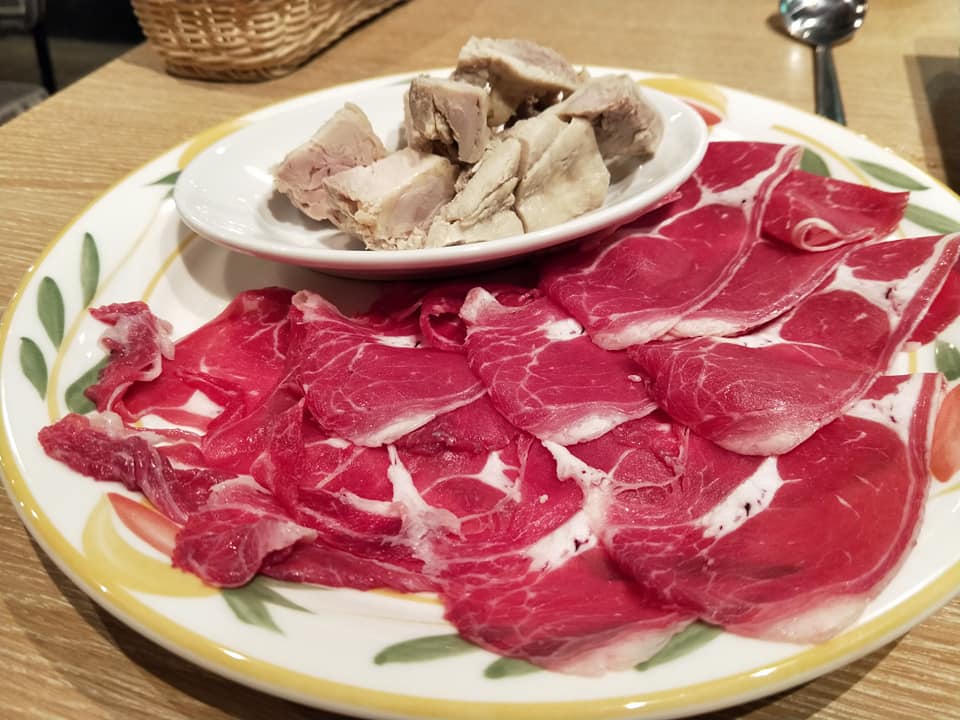
- Choice of Ingredients
✔ Herbivores
✔ Lives in the sea
✔ Halal meat
❌ Pork, or anything that is a predator eg with talons and fangs
❌Intoxicants
❌ Weed/Drugs

2. How the Food is Prepared
✔ All ingredients used must be halal
✔ Cleanliness of food and kitchen
❌No contamination such as using utensils touched by non-halal ingredients or non-halal items
What are the conditions for halal meat?

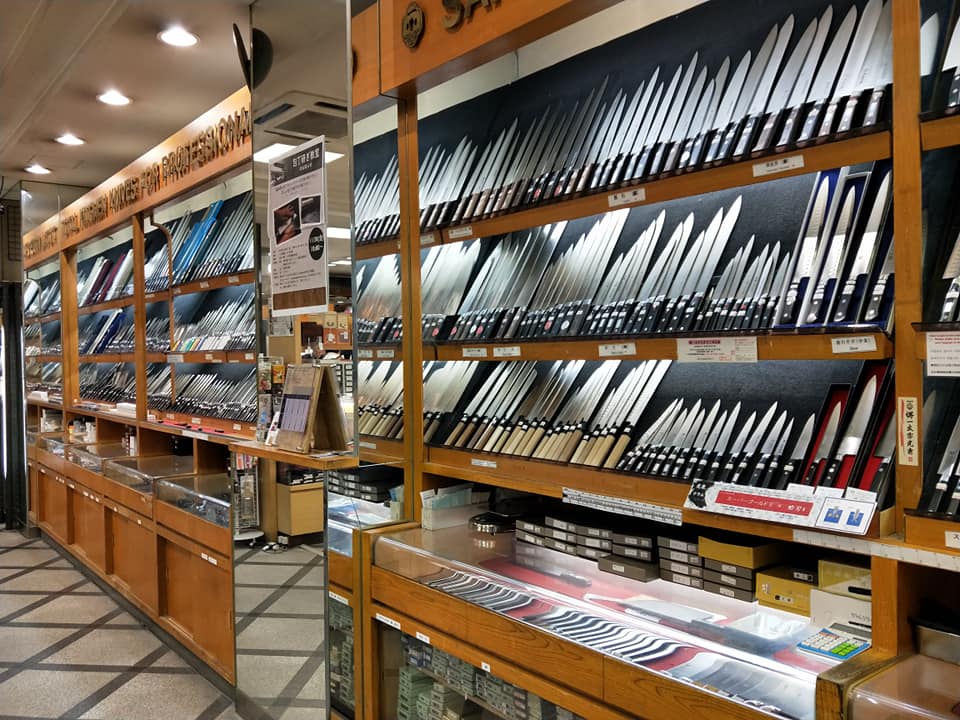

- The animal must be alive, healthy and not in distress
- The jugular veins and oesophogus must be completely severed with a sharp knife (it counts even if you don’t cut off the head completely, but see these two veins cut)
- Blood must be completely drained from the carcass
- Complete submission to Allah s.w.t by the animals (so there will be a recitation of prayer before the slaughter)
Check out the video in this post on halal slaughter.
Why is halal food getting increasingly complicated?
BECAUSE OF TECHNOLOGY.
Your read it right. Food production in the past was done very simply – using simple and wholesome ingredients which were not exposed to non-Halal elements.
For example:
Butter, in the olden days
Just pure cow’s milk and a lot of shaking, stirring and agitation – no issues there.
Today
Commercially-made butter may now use pork gelatin as a sieve, alcohol, whey butter which uses animal enzymes, and lard.
Ingredients can be halal, but the processes makes it non-halal.
So how do I confirm if the food is Halal?
There are a few ways:
Check if it’s Halal Certified
Check if it is Muslim-owned
Check the Food Labels
Checking if it is halal certified
This is the easiest to confirm the halal status of a particular food.
In Singapore, this is our halal logo:
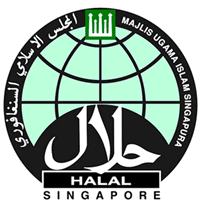
MUIS administers Singapore’s halal certifications, and our neighbours also have their own government organisations that handle these like JAKIM and MUI.
There are also private companies that administer halal certifications like the ICCV (Islamic Coordinating Council of Victoria), KHF (Korea Halal Federation), and CIA (China Islamic Association).
Note: Halal certification is production specific, and not brand specific.
For example, the same brand of chips can be halal certified here, but not in another country. This is because it was made in a different factory which may have different processes and include high risk ingredients.
There is no one halal body that governs all halal certification in the world, as standards differ depending on the predominant Islamic sect of that country. Check out this long list of service providers.
Checking if it is Muslim-owned
This is the second method. If a restaurant is Muslim-owned, there is actually no need for them to obtain a halal cert, because they know themselves what is halal food.
But people just get so paranoid and irrational sometimes, and keep asking why there are no halal certs at the premises. Business owners are probably very frustrated to explain again and again that they are Muslim themselves (so duh, they only eat halal food too ya know!).
But of course, it also depends on the owners themselves, and they have to be aware of the halal risk factors to ensure they serve halal F&B. Read more here.
Checking Food Labels
This is especially important when travelling overseas, or shopping for ingredients in a supermarket. We need to be alert and ask ourselves:
- Is this an animal or plant based product?
- Be wary of animal based, organic and vegetarian is ok
- Are there any dubious elements?
- Be wary of products with gelatin, emulsifier, flavorings, extracts and shortening etc
- Are there any risk factors?
- Central kitchen or separate halal and non-halal kitchen, or serves alcohol and has a bar etc
| Dubious Elements | What is it made of | Usage | Possible E-Codes* |
| Gelatin/ Fat/ Lipids | Proteins extracted from bones, tissues and organs of animals | For skin, hair and nail growth, immune function and weight regulation | E470 – E478, E542 (animal bones) |
| Emulsifier | Made of glycerol and natural fatty acids | To help blend ingredients properly | E400-E499 |
| Shortening | A type of fat mostlly made of vegetable fat, unless lard is added in for flavour | To give crumbly pastry texture | |
| Flavourings/ Extracts | Natural or extracted from inedible things like petroleum using high amounts of alcohol | To give flavour to food | E600-E699 |
| Whey | Byproduct of cheese or made from animal/ vegetable based protein | Protein boosters | |
| Lecithin | Usually extracted from egg yolk and soybeans, but can also be extracted from animals | To help blend ingredients properly for baking like bread | E322 |
| Vanillin | Extracted from orchids, synthetic using alcohol, or from cow poop | A compound for the flavour and smell of vanilla | |
| Rennet | Extracted from the stomach of a calf, gmo, microbial mushrooms and fungus, or fig tree, milk thistle | Production of cheese or coagulation of milk | |
| Porcine/ Lard | Pig fat | Similar to how butter is used in cooking and baking | |
| Sow Milk | Milk from a pig | Milk | |
| Cysteine | Sourced from a plant or more commonly animal | Enzyme | E920 |
*MUIS has a listing for additives here.
Let’s practise on some food!
Know the nature of your food to further assess what you could purchase:
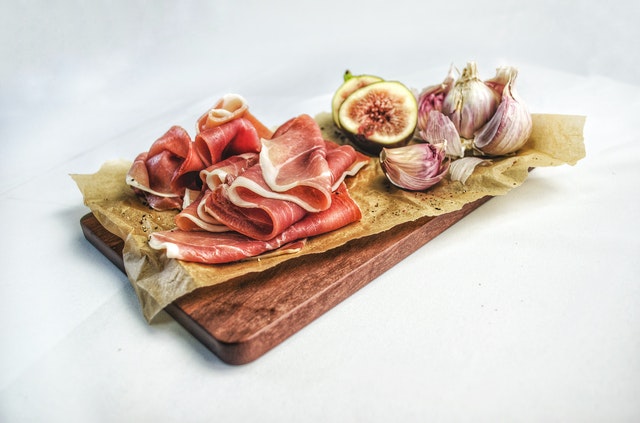
Bacon/Ham
Usually strips or slices of pork unless otherwise stated
eg chicken ham
Photo by Nicolas Postiglioni from Pexels

Ingredients used may have doubtful elements like gelatin, lecithin, dyes, enhancers and emulsifiers
Photo by Abhinav Goswami from Pexels
Candy
Gummy bears use gelatin and colouring, and candy is formed in a spinner coated with lard


Clam Chowder Soup
May be pork based soup


Eggs Benedict
If your poached eggs sit on top of (pork) bacon, say bye bye to Benedict
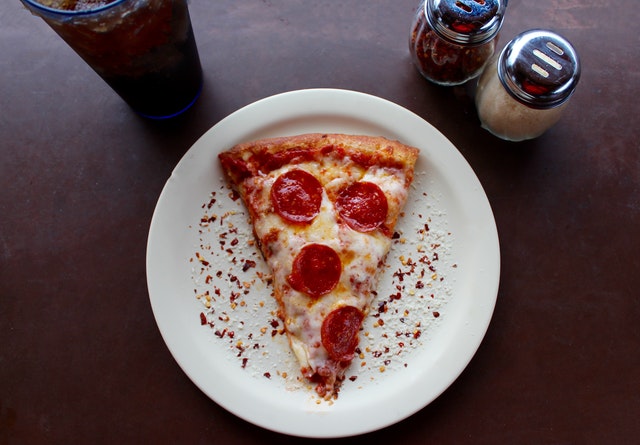
Pepperoni/Prosciutto/Pencetta
Made of pork, which may be mixed with beef
Photo by Sydney Troxell from Pexels
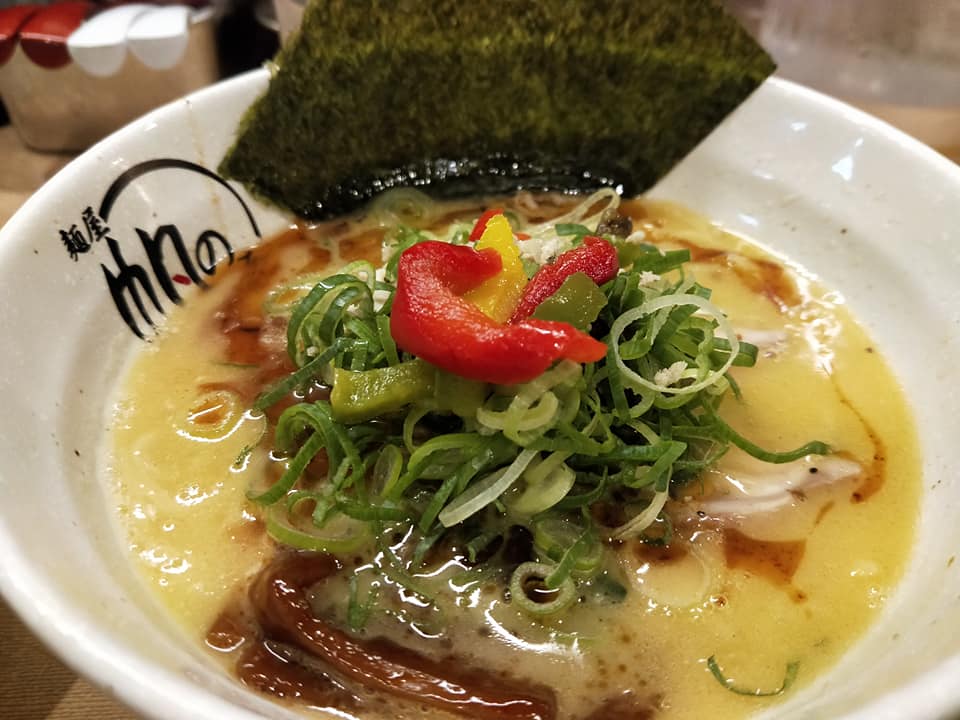
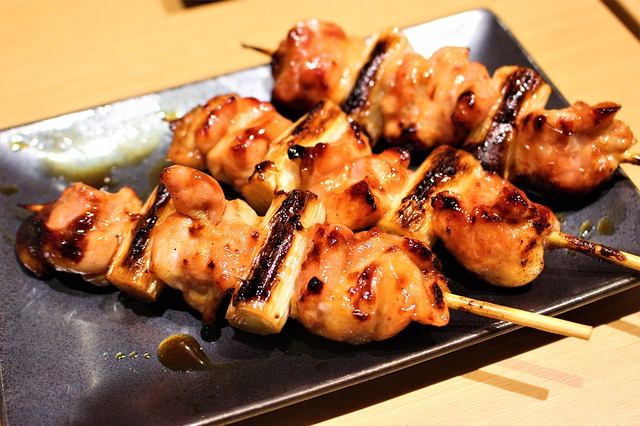
Ramen
Japan usually uses pork-based soup for ramen
Sausage
A mix of animal remainders, which can be a mix of beef and pork
Photo by Daria Sannikova from Pexels

Truffles
While it is a mushroom, wild boars are used to obtain these truffles, so nope
Image by WikiImages from Pixabay


The cattle are fed alcoholic beverages to improve their marbling, which is also considered unethical.
Woah, so many restrictions?
At the end of the day, these restrictions are in place to protect Muslims from harm, and to ensure we only eat things that benefit us.
In reality, there are plenty of food choices right in front of us that our prophet, Nabi Muhammad s.a.w liked and consumed. For example honey, milk, figs, grapes, olive oil. As a good Muslim, we should emulate this because it is beneficial for us.
YOU are what you eat. So educate yourself, and don’t ‘was-was’ (be doubtful of your choices). Let’s learn to be flexible and assess accordingly.
 Uminsummer